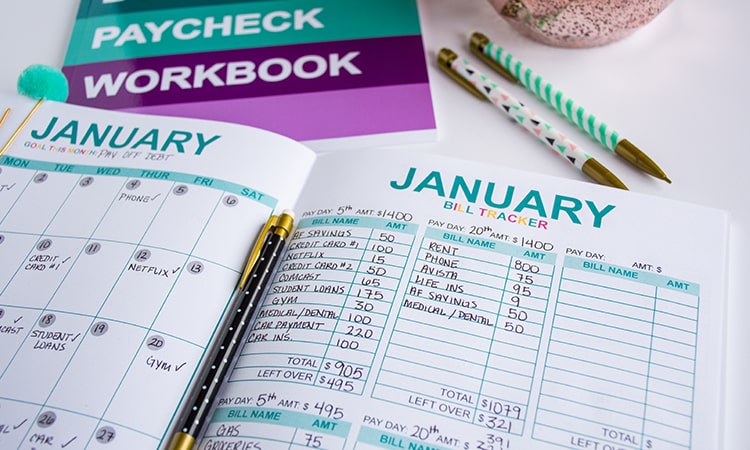
Budgets are famous for being easy to make and hard to follow. The truth is, most people give up on budgeting because their plan doesn’t fit their lifestyle. A successful monthly budget is one that’s realistic, flexible, and sustainable. Here’s how you can build a budget that works—without feeling restricted.
Step 1: Track Your Income and Expenses
Before you can set limits, you need to know where your money goes. Track your income and spending for one month. Include:
- Salary, freelance income, or side hustles
- Recurring bills (rent, utilities, subscriptions)
- Variable costs (groceries, gas, entertainment)
This gives you a clear picture of your starting point.
Step 2: Choose a Budgeting Method
Different methods work for different people. Popular ones include:
- 50/30/20 rule: 50% needs, 30% wants, 20% savings/debt.
- Zero-based budgeting: Every dollar is assigned a job.
- Envelope system: Cash is divided into spending categories.
Pick the one that feels easiest for you to maintain.
Step 3: Set Realistic Goals
Budgets fail when they’re too strict. Instead of cutting all fun spending, set achievable goals like:
- Paying off $200 in debt per month
- Saving $100 per paycheck
- Limiting dining out to $150 monthly
Step 4: Automate What You Can
Automation helps keep your budget on track without relying on willpower. Set up:
- Automatic bill payments
- Direct deposits into savings
- Recurring transfers for debt repayment
Step 5: Review and Adjust Monthly
Life changes—and so should your budget. At the end of each month, review what worked and what didn’t. Adjust categories as needed instead of abandoning the plan altogether.