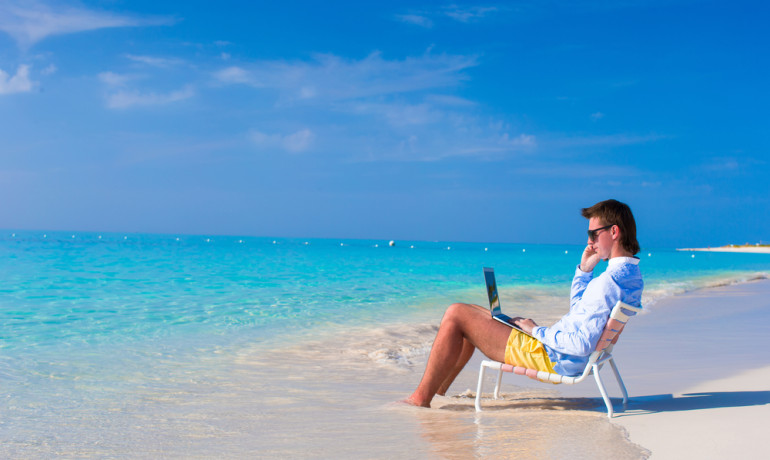
We used to dream of escaping. The long-awaited vacation, the digital detox, the week where our real lives paused. But in 2025, a quiet movement is taking shape — people are designing lives that don’t require escape at all.
The goal is no longer work-life balance. It’s work-life harmony — where what you do, how you live, and who you are finally align.
The Escape Fantasy
For decades, the idea of “vacation” symbolized freedom — not just from work, but from exhaustion. We worked 50 weeks for two weeks of rest, only to spend half of it recovering from burnout.
The rise of remote work, flexible careers, and intentional living changed that equation. People began asking:
What if I built a life I don’t need to escape from?
💡 Quick Insight
In a 2025 global survey by Gallup, only 36% of workers defined “success” by income. The majority defined it by emotional well-being, autonomy, and lifestyle design.
Designing Around Values, Not Vacations
People often chase the wrong goal — a better vacation instead of a better life. But lifestyle design starts with values.
Ask yourself:
- What do I want my average Tuesday to look like?
- What kind of energy do I want when I wake up?
- Who do I want to share my time with?
These questions shape financial and career choices. Instead of fitting life around work, you start fitting work around life.
The Financial Foundations of Freedom
It’s impossible to feel free if your money owns you. That’s why modern professionals are rethinking wealth — focusing on flexibility, not accumulation.
Building a life you don’t need a vacation from doesn’t require millions — it requires *margin*.
Margin is the space between your income and your obligations. It’s what allows for slow mornings, creative projects, or spontaneous trips. The goal isn’t constant leisure — it’s sustainable breathing room.
Practical tip: Automate savings, downsize recurring costs, and pursue income streams that give you time, not just money.
📘 Mini Case Study
Sofia, 33, left her full-time design job in 2023 to freelance remotely. She earns 20% less now — but says her quality of life doubled.
“I work from anywhere, I cook lunch at home, I see my friends on weekdays. My life finally feels like mine,” she says.
Her secret? Redefining success around presence, not productivity.
Redefining Productivity as Presence
For many, the hardest mindset shift is realizing that rest is productive. Slowing down isn’t weakness — it’s wisdom.
Time spent resting, reflecting, or simply existing doesn’t take away from progress; it sustains it.
“We’ve been measuring output instead of outcome,” says Dr. Elena Ruiz, a workplace psychologist. “A rested person produces better ideas, deeper relationships, and more meaningful work.”
🌎 Real-World Example
Nordic countries — long known for balanced living — now see record global applications for digital visas.
Their philosophy? Work should serve life, not replace it.
U.S. startups are catching on, offering “remote year” programs and sabbatical pay as perks.
The Art of Everyday Joy
A life you don’t need a vacation from is built, not found. It’s made in the moments between — a quiet breakfast, a walk after work, a boundary you don’t break.
You design it by paying attention: what drains you, what fills you, what makes you feel alive.
The goal isn’t perfection — it’s peace.